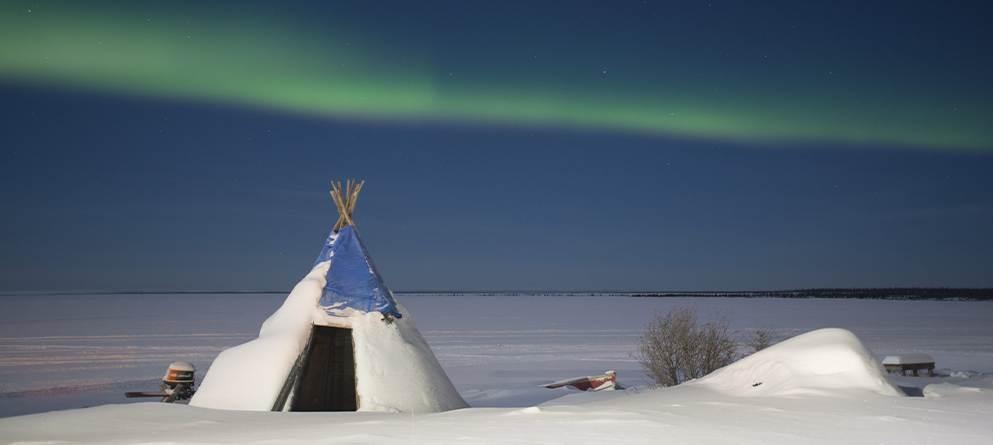
For many Indigenous Peoples, relationships with land are deeply connected to language, culture, history, and community. Across generations, rivers, coastlines, northern communities, and ancestral territories have shaped the stories, traditions, and knowledge carried by the people who have lived there.
Those relationships continue to find expression through music. Whether preserving traditional songs, returning music to the language of home, or drawing on the sounds and stories of a particular landscape, Indigenous artists continue to create work that reflects the enduring connections between people and place.
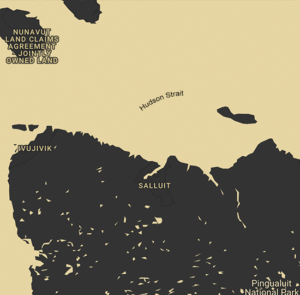
Salluit sits at the northern edge of Quebec, tucked between mountains and overlooking the waters leading to the Hudson Strait. Accessible only by plane, it is one of the most remote communities in Nunavik, where most residents speak Inuktitut. The language, community, and memories of that place are the heart of Elisapie’s JUNO-winning album Inuktitut.
On the album, Elisapie reimagines songs by artists such as Blondie, Fleetwood Mac, and Metallica in the language of her homeland. Though originally written thousands of kilometres away, these tracks became woven into life in the North through local radio stations, community gatherings, and shared listening experiences, each connected to specific memories, people, and moments from her past.
By translating them into Inuktitut, Elisapie returns those songs to the place where she first encountered them. The result is more than a collection of covers. Inuktitut becomes a portrait of Nunavik itself, reflecting the region’s language, resilience, and sense of community through the memories of someone who grew up there.
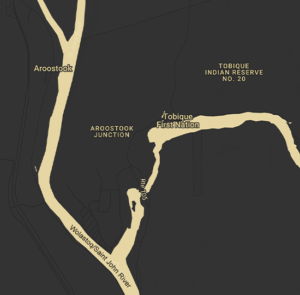
Stretching through what is now western New Brunswick and into Maine, the Wolastoq flows through every corner of Jeremy Dutcher‘s album Wolastoqiyik Lintuwakonawa. Running the length of traditional Wolastoqey territory, the river has nurtured the Wolastoqiyik physically, culturally, and spiritually for millennia. Its significance is reflected in the name itself, with Wolastoqiyik translating to “People of the Beautiful River.”
A Wolastoqey artist from Neqotkuk (Tobique First Nation), Dutcher built the album from archival recordings of traditional songs, weaving historical voices into contemporary arrangements. Drawing on his community’s language, stories, and musical traditions, he brings voices from the past into conversation with the present. Songs like “Pomok naka Poktoinskwes (Fisher and Water Spirit)” draw on stories rooted in the Wolastoq and the generations of Wolastoqey people who have lived along its banks.
More than preserving the past, Wolastoqiyik Lintuwakonawa carries those songs into the present. Through the album, Dutcher celebrates the enduring connection between the Wolastoq, the Wolastoqey language, and the people whose identity has long been shaped by it.
Before the music starts on “Space,” you hear the land. The track opens with field recordings Leela Gilday made in her home community in the Northwest Territories: ravens, water moving, a drum, and the voice of a Dene Elder singing a love song recorded long before her passing.
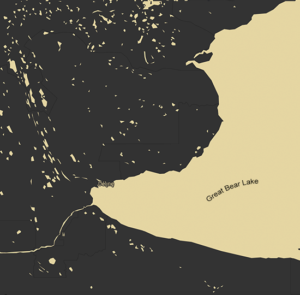
Raised in Délįne, on the shores of Great Bear Lake, Gilday has long described the North as the place that grounds her. When she left home to study music, her mother told her that whenever she felt lost, she should return to the land: feel the wind in her hair, look at the stars, sit by the water. It was a reminder that healing begins by reconnecting with the natural world.
That understanding runs throughout North Star Calling. Gilday has described the album as being grounded in connection: to the land, to community, and to one another. Rooted in the landscapes, voices, and memories of the North, the record reflects the relationship between place and the people who call it home.
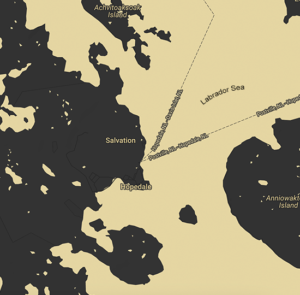
Along the northern coast of Labrador sits Hopedale, known in Inuttitut as Arvertok, meaning “place of whales.” That name alone carries the depth of the relationship between the Nunatsiavut Inuit and the waters along the north coast of Labrador. The whales are part of how it is known, named, and understood.
“Song of the Whale,” composed by Deantha Edmunds in honour of her father’s home community, begins there. Sung in both English and Inuttitut, with an oboe and English horn voicing the whale, the song calls on listeners to hear what the ocean already knows: that the waters, and the communities whose lives are tied to them, must be cared for.
Writing music about Arvertok in Inuttitut is inseparable from writing about the people who belong to it. Through “Song of the Whale,” Edmunds honours not only the animal itself, but the relationship between the people of Arvertok and the waters of the Labrador coast.
Feature image: Image Source: Spectacular Northwest Territories. “What To Do in Deline”

